



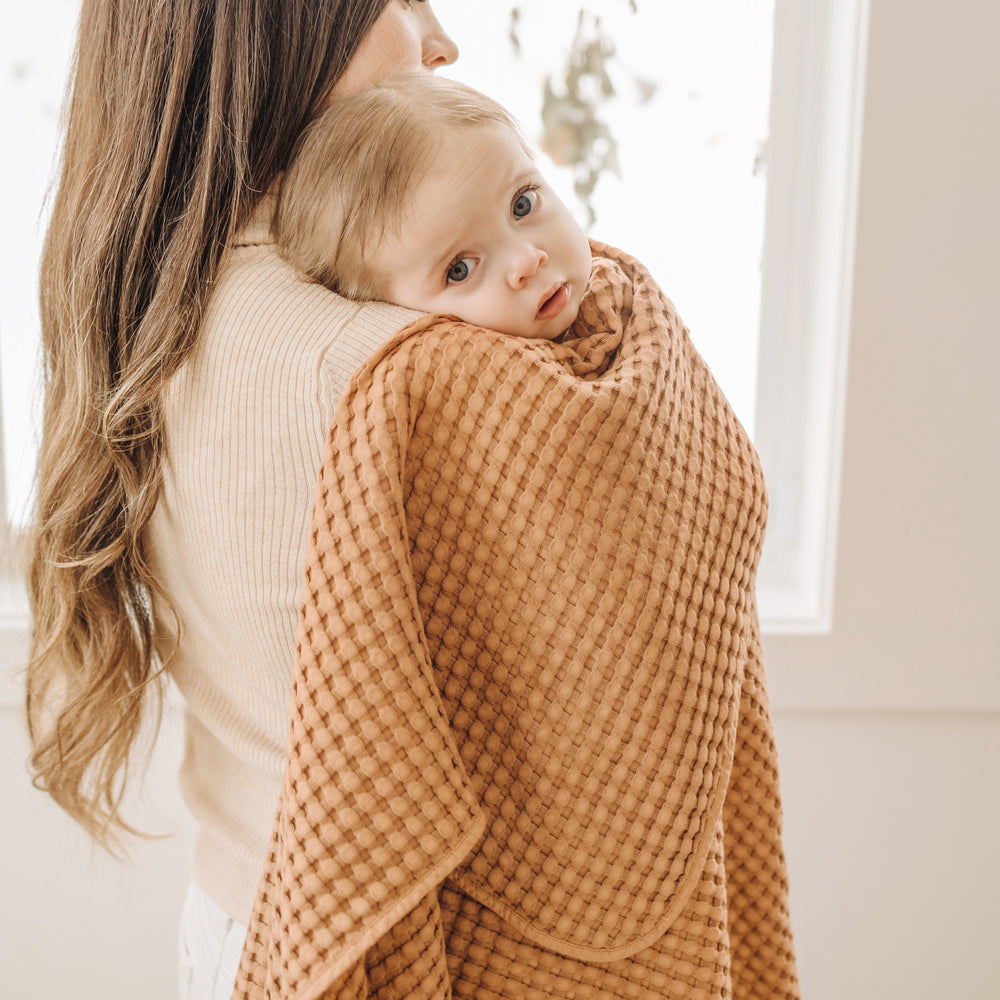
Reduce Diaper Change Fussiness: It Starts with Softer Comfort
Why Do Babies Cry So Much During Diaper Changes?
For many parents, diaper changes are one of the most challenging moments of the day. The moment a baby is placed on the changing pad, fussiness or crying often begins—sometimes before the diaper is even removed.
In many cases, the issue isn’t the diaper change itself.
It’s the surface your baby is lying on.
A pad that feels cold, rough, or uncomfortable can immediately trigger discomfort. Improving the softness of your baby’s changing surface is often the first and most effective step toward a calmer diaper-changing experience.
Why Softness Matters More Than You Think
Baby Skin Is Extremely Sensitive
A baby’s skin is:
-
Thinner and more delicate than adult skin
-
Still developing its natural protective barrier
-
Highly sensitive to friction, texture, and temperature
When babies lie unclothed on a changing pad, every sensation is amplified. A soft, gentle surface helps them feel safe, relaxed, and supported—reducing stress from the very first moment.
How Softer Comfort Helps Reduce Crying
A Gentle First Touch Makes a Big Difference
The moment your baby is laid down sets the tone for the entire diaper change.
An ultra-soft changing pad cover:
-
Cushions the initial contact
-
Prevents the shock of a cold or stiff surface
-
Creates a soothing, welcoming feel
This gentle start often prevents crying before it even begins.
A Smooth, Snug Surface Builds Security
Softness alone isn’t enough—fit matters too.
A well-fitted, stretchy changing pad cover:
-
Stays smooth and wrinkle-free
-
Prevents shifting or bunching
-
Helps babies feel stable and secure
When babies feel supported instead of wobbly, they’re far more likely to stay calm.
Reduced Friction for Sensitive Skin
During diaper changes, babies kick, stretch, and move constantly.
A soft, skin-friendly fabric helps:
-
Minimize friction on legs and back
-
Reduce redness and irritation
-
Provide extra comfort for sensitive or eczema-prone skin
Less irritation means less fussing—and a happier baby.
More Than Comfort: Peace of Mind for Parents
A softer changing surface doesn’t just benefit your baby—it transforms the experience for parents too:
-
A calmer baby means quicker, smoother diaper changes
-
Less crying reduces stress for everyone involved
-
Daily care routines become gentler and more enjoyable
When diaper changes stop feeling like a struggle, parenting feels lighter.
Tips for a Calmer Diaper-Changing Routine
-
Always use a soft pad cover to avoid cold, uncomfortable surfaces
-
Keep the cover clean and dry for maximum comfort
-
Secure the edges properly so the cover stays in place
-
Move slowly and confidently—babies sense calm energy
Final Thoughts: Comfort Can Prevent Crying
Babies can’t tell us what feels wrong—but they can show us.
Often, diaper-changing tears aren’t about resistance.
They’re simply a response to discomfort.
By upgrading the softness of your baby’s changing surface, you create a calmer, gentler environment—one where diaper changes become easier, quieter, and more loving moments throughout the day.
Leave a comment